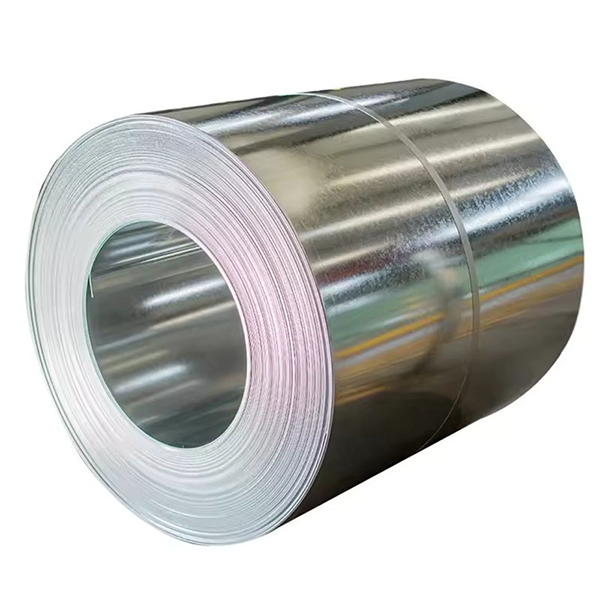
Analysis of the Advantages and Disadvantages of Hot-Rolled Seamless Steel Pipes
Hot-rolled seamless steel pipes, as an important category of steel pipes, are widely used in various industries. With its unique manufacturing process and excellent performance, it meets the high-quality requirements of different fields.
What is hot-rolled seamless steel pipe?
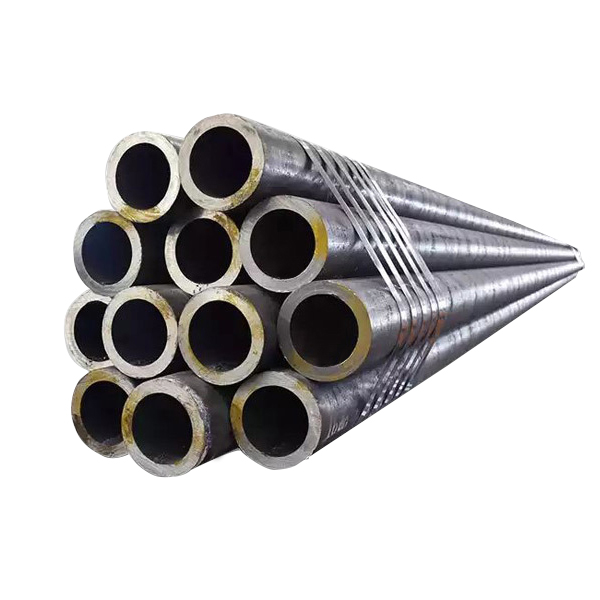
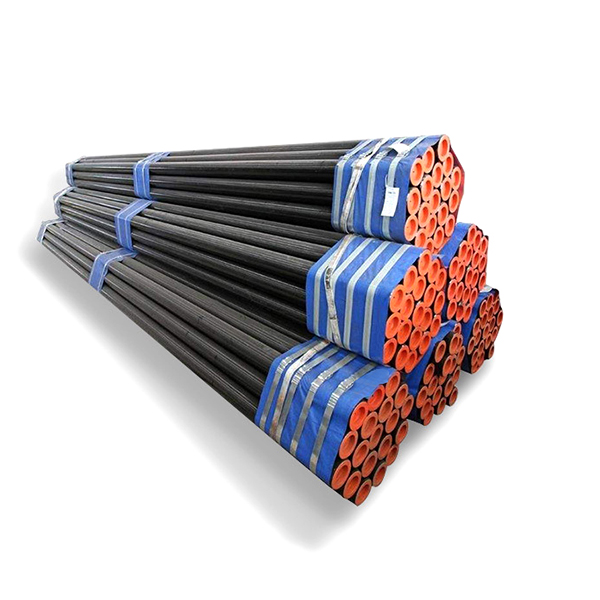
Hot-rolled seamless steel pipe, as the name suggests, is produced by heating the steel billet to a certain temperature and then through processes such as piercing, rolling and drawing, it is seamlessly manufactured into a pipe. Its characteristic is that it does not rely on welding, ensuring the integrity and mechanical properties of the pipe.
The main advantages of hot-rolled seamless steel pipes.
Hot-rolled seamless steel pipes possess several remarkable advantages, which are the key reasons for their wide application:
Excellent mechanical properties: The hot rolling process makes the internal structure of the pipes dense, with uniform and stable mechanical properties, and the tensile strength and yield strength are outstanding.
No welds, more reliable quality: Without welding steps, weld defects are avoided, enhancing the safety and pressure resistance of the pipe materials, especially suitable for high-pressure boilers and oil and gas pipelines.
Good corrosion resistance: Through reasonable alloy composition control and subsequent surface treatment, hot-rolled seamless steel pipes can effectively resist various corrosive environments, extending service life.
Excellent processing performance: The precise dimensions formed by hot-rolled rolling of the pipes are accurate, and subsequent processing is convenient, meeting strict industrial standards and custom requirements.
Limitations and Challenges of Hot-Rolled Seamless Steel Pipes.
Although hot-rolled seamless steel pipes have significant advantages, their limitations cannot be ignored:
High energy consumption: The overall hot processing process involves high-temperature environments, resulting in high energy consumption and an increase in production costs.
Size limitations: Due to equipment and process constraints, there are diameter and wall thickness range limitations during the production of hot-rolled seamless steel pipes, making it difficult to achieve certain special specifications.
Fluctuations in yield rate: Due to the complex process, improper operation may lead to an increase in defects, affecting the yield rate and material utilization rate.
High surface quality requirements: Oxide scales are easily produced during hot rolling, requiring subsequent polishing treatment, which increases the process difficulty and cost.
Hot-rolled seamless steel pipes, due to their robustness, durability and stable performance, have become one of the important materials in modern industrial construction. At the same time, it is necessary to recognize the limitations in terms of high energy consumption and dimensions, and promote technological improvement and process optimization.
Copyright and Disclaimer: The above content is from the Internet. If there is any infringement, please contact us to remove it.
Content Statement: Some of the content is generated by AI assistance and is for reference only.