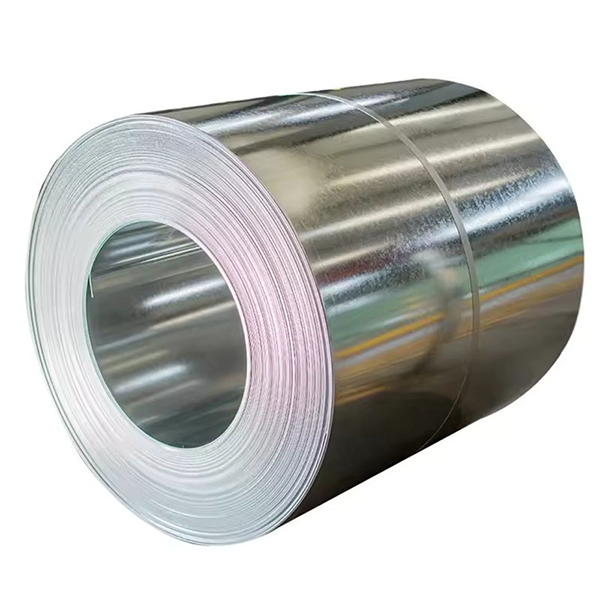
The multi-field applications of spiral steel pipes
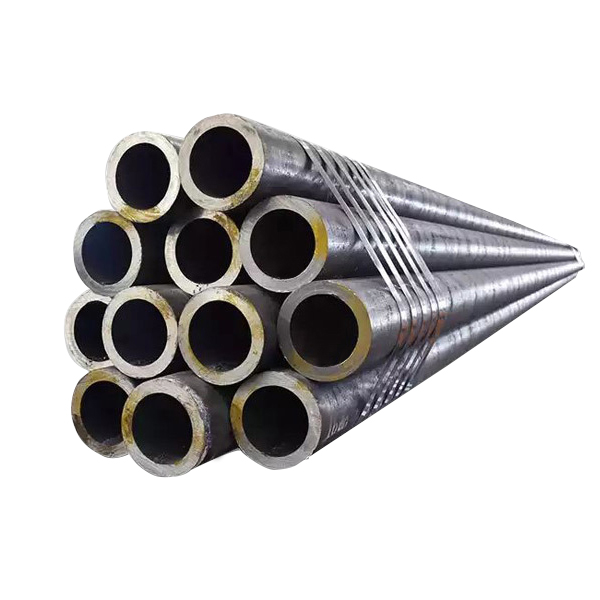
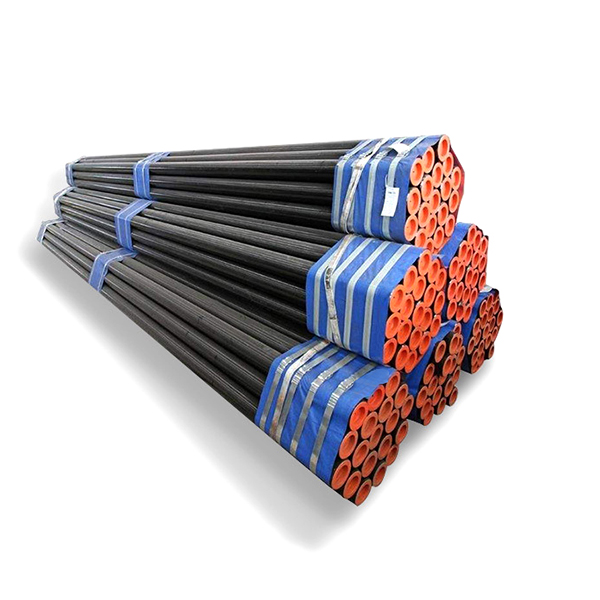
In the tide of modernization, spiral steel pipes, with their unique structural advantages and outstanding performance, have become the "steel arteries" in fields such as energy transportation, urban infrastructure, and industrial production. From the energy corridor of the West-East Gas Pipeline to the capillaries of urban underground networks, from the supporting structures of cross-sea bridges to the water conveyance channels for farmland irrigation, spiral steel pipes, with their characteristics of "high strength, corrosion resistance, and easy processing", are writing a solid chapter in infrastructure construction.
I. Energy Transmission
In the fields of oil, natural gas and other energy sources, spiral steel pipes are the core materials for long-distance transmission pipelines. The spiral weld structure of these pipes disperses stress, increasing their pressure-bearing capacity by more than 15% compared to straight seam pipes. Combined with the double-sided submerged arc welding process, the weld strength can reach over 95% of the base material.
In marine engineering, spiral steel pipes also perform exceptionally well. They can withstand high pressure, low temperatures and strong corrosive environments at the bottom of the sea, with a service life of over 30 years. Their unique spiral structure also enhances the pipes' resistance to vortex-induced vibration, providing a safety guarantee for deep-sea energy development.
II. Urban Infrastructure
In urban water supply, drainage and heating systems, spiral steel pipes serve as the "invisible guardians" ensuring the smooth operation of daily life. Taking the renovation of the water supply network in a certain 20-year-old residential area as an example, the original cast iron pipes suffered from corrosion, resulting in an average daily water leakage of 3 tons and insufficient water pressure. After replacing them with 610-millimeter spiral steel pipes and applying an epoxy resin anti-corrosion coating, the corrosion risk over 50 years was reduced by 80%. After the renovation, the water pressure was increased by 30%, the leakage rate dropped from 25% to 5%, and the satisfaction rate of residents' water usage reached 98%. The maintenance cost in the later stage was only 60% of the original pipes.
In the construction of underground integrated pipe galleries, the lightweight advantage of spiral steel pipes is remarkable. In a certain new district pipe gallery project, the 610-millimeter spiral steel pipes have a single section length of 12 meters, which saves 30% of the number of interface connections compared to traditional steel pipes, reduces the lifting weight by 40%, and shortens the construction period by 45 days. Its accompanying flexible interface design can adapt to the settlement deformation of the pipe gallery, improves the drainage efficiency by 40%, and eliminates the need for large-scale excavation for maintenance in the later stage, reducing the single maintenance cost by 50%.
III. Industrial Production
In the chemical industry, spiral steel pipes need to directly face strong corrosive media such as acids, alkalis, and salts. A certain sulfuric acid plant uses 316l stainless steel spiral steel pipes to transport 98% concentrated sulfuric acid. Through the internal lining of polytetrafluoroethylene technology, the corrosion resistance is increased by 5 times, and the service life of the pipeline is extended to 10 years. In nuclear power plants, spiral steel pipes are specially treated and used to transport coolant for nuclear reactors. Their weld seams need to undergo 100% ultrasonic flaw detection to ensure zero defects, ensuring nuclear safety.
In the power sector, spiral steel pipes are the "stabilizing pillar" of the thermal system. A thermal power plant uses spiral steel pipes to transport high-temperature steam. The pipe walls are lined with centrifugal cast ceramic, with a temperature resistance of up to 600℃, and the insulation performance is improved by 30%, and the heat loss is reduced by 15%. In hydropower stations, spiral steel pipe pressure pipelines convey water from the reservoir to the water turbine. A large hydropower station uses 800mm spiral steel pipes, with a single pipe flow rate of 50 cubic meters per second, and the annual power generation exceeds 5 billion kilowatt-hours.
IV. Agriculture and Transportation
In agricultural irrigation, spiral steel pipes are the "water resource lifeline" for increasing production. A farmland irrigation project in a hilly area used 610-millimeter spiral steel pipes, which were equipped with flexible interfaces to adapt to terrain fluctuations. The water delivery volume increased by 50%, and the irrigation coverage rate rose from 60% to 95%. After the project was implemented, the grain output increased by 15% year-on-year, the flood resistance capacity during the rainy season significantly improved, and there was no record of pipeline damage within 5 years.
In transportation engineering, spiral steel pipes are the "safety foundation" for bridges and tunnels. A cross-sea bridge used x70 grade spiral steel pipes as the pile foundation, with a pipe diameter of 2000 millimeters and a wall thickness of 50 millimeters, penetrating 50 meters into the seabed rock layer, bearing the weight of the bridge and the impact force from ships. The design life is 100 years. In tunnel engineering, spiral steel pipes are used for drainage and ventilation pipes. Their spiral structure enhances the anti-deformation ability and ensures the stability of the tunnel structure.
V. Innovation and Breakthroughs
With the advancements in materials science and welding technology, spiral steel pipes are expanding towards higher performance and broader applications. For instance:
Low-temperature-resistant steel pipes: By adding nickel elements, spiral steel pipes can maintain toughness at -50℃, making them suitable for polar oil and gas development.
Large-diameter steel pipes: Utilizing the internal support forming technology, spiral steel pipes with a diameter of up to 4000 millimeters can be produced, meeting the requirements of large-scale water diversion projects.
Intelligent monitoring steel pipes: Spiral steel pipes with built-in optical fiber sensors can monitor pipeline stress, temperature, and corrosion conditions in real time, enabling full life-cycle management.
From the energy arteries to the urban veins, from the industrial pillars to the agricultural lifelines, spiral steel pipes, with their "steel bodies", support the framework of modernization construction. Their continuous breakthroughs in technological boundaries and wide range of application scenarios not only demonstrate the hard power of Chinese manufacturing, but also provide "Chinese solutions" for global infrastructure construction.
In the future, with the deepening of the green and low-carbon concept, spiral steel pipes will play a greater role in the field of environmental protection and energy conservation, and continue to write the legend of the "steel arteries".
Copyright and Disclaimer: The above content is from the internet. If there is any infringement, please contact us to remove it.
Content Statement: Some of the content is generated by AI assistance and is for reference only.