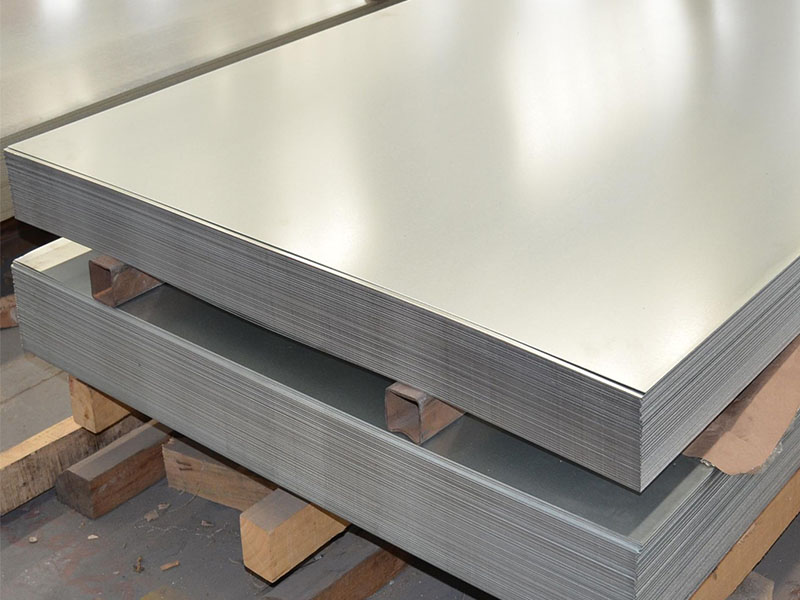
This article provides a detailed analysis of the allowable error standards for the thickness of stainless steel plates, covering specific values from mainstream international (ISO), Chinese (GB), and American (ASTM) standards. It also analyzes the causes and influencing factors of the errors, and offers suggestions for material selection in practical applications, helping users reasonably control the tolerance range according to engineering requirements.
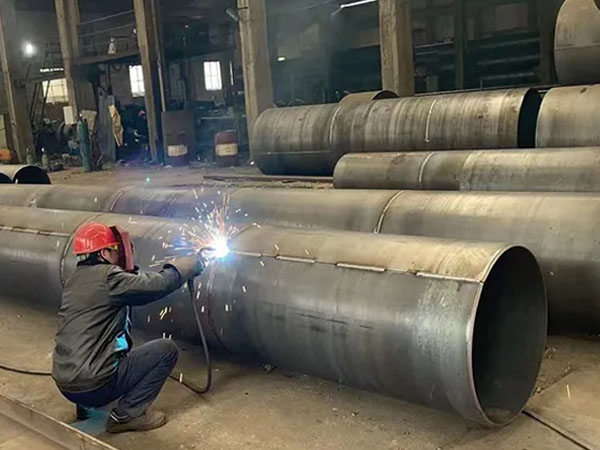
arbon is the most crucial element that affects the weldability of steel. The higher the carbon content, the poorer the weldability usually is. The fundamental reason behind this lies in the decisive influence of carbon on the microstructure and properties of the heat-affected zone (HAZ) and the weld metal.
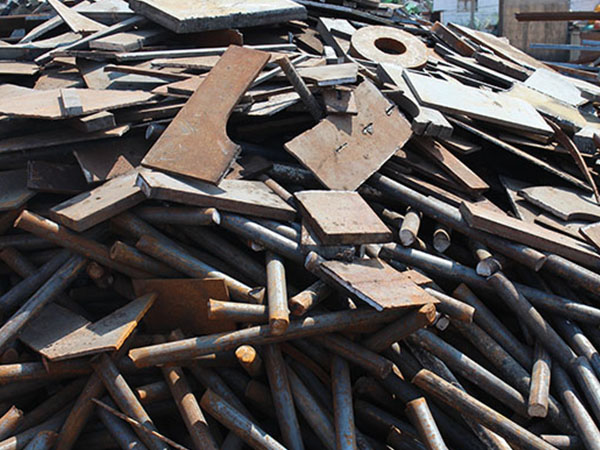
Essentially, the substitution of scrap steel for iron ore means that the steelmaking process shifts from a long process starting with iron ore to a short process using scrap steel as raw material.
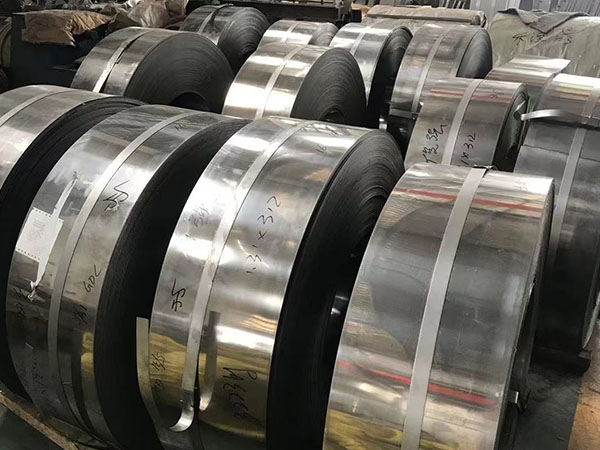
In the modern industrial system, steel strips, as a basic and key metal material, are widely used in multiple fields such as medical care, the aviation industry, automobile manufacturing, electronics and electricals, and tool cutting.
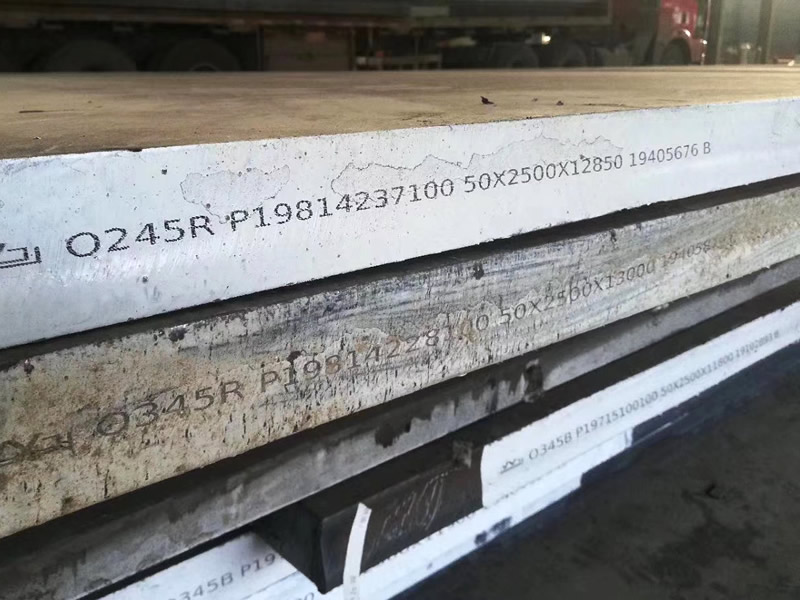
Medium and heavy plates are mainly used in construction engineering, mechanical manufacturing, container manufacturing, shipbuilding, bridge construction, etc.