
Classification of Steel Belt Materials and Properties
What is steel strip?
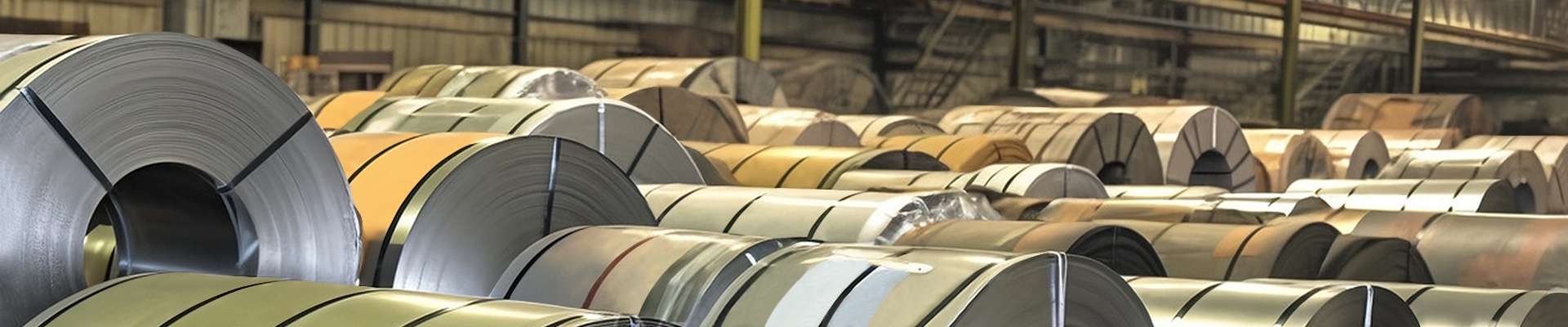
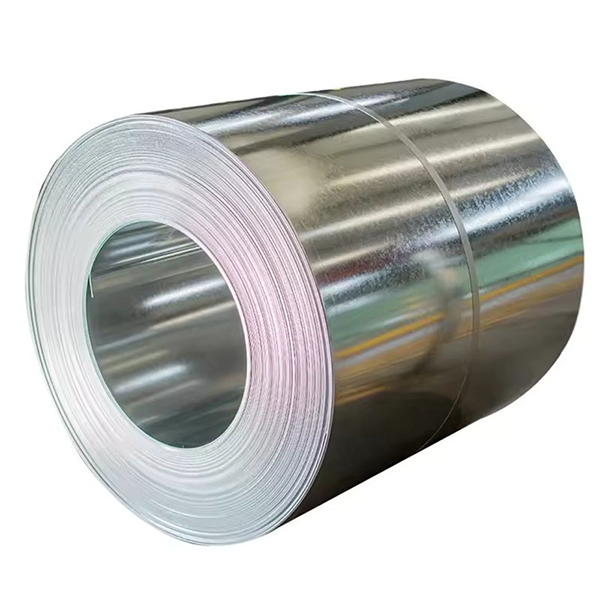
Steel strip is a strip-shaped metal material made from steel billets as raw material through processes such as cold rolling and heat treatment. Depending on the material and characteristics, steel strip can be divided into various types, each with its unique performance and application scenarios.
Main Steel Strip Materials and Characteristic Classification
Material is the fundamental factor determining the performance of steel strips (such as corrosion resistance, strength, and hardness).
Austenitic Stainless Steel
• Characteristics: This is the most common type of stainless steel, non-magnetic (may become slightly magnetic after cold working), with good corrosion resistance, excellent toughness, and machinability.
• Common Grades:
• 304 Stainless Steel: The most common type, also known as '18/8' stainless steel (containing 18% chromium and 8% nickel). It has good corrosion resistance and formability, suitable for most everyday environments. It is the standard material for cutlery, household appliances, and sinks.
• 316 Stainless Steel: Higher grade than 304, with added molybdenum (Mo) element, significantly improving resistance to chloride corrosion (i.e., more resistant to saltwater and seawater), also known as 'marine grade stainless steel.' Commonly used in medical instruments, marine environments, chemical equipment, and high-end watches.
Martensitic Stainless Steel
• Characteristics: Its strength and hardness can be greatly improved through heat treatment (quenching and tempering) and it is magnetic. However, its corrosion resistance is usually not as good as austenitic stainless steel.
Common Grades:
420 Stainless Steel: One of the most commonly used martensitic stainless steels. It has high hardness and is often used in making knives, surgical instruments, valve parts, and other areas that require high hardness and certain corrosion resistance. Some watches also use this material.
440C Stainless Steel: A high-carbon, high-chromium martensitic steel, it is one of the hardest grades of stainless steel (can reach HRC58 or above). It has excellent wear resistance and is commonly used in high-end knives, bearings, etc.
Other Special Alloy Steels
Apart from stainless steel, in some situations where there are extreme requirements for strength and wear resistance but not high requirements for corrosion resistance, other alloy steels may also be used, and surface treatments (such as chrome plating, galvanizing, or bluing) may be applied to prevent rust.
Copyright and Disclaimer: The above content comes from the internet. If there is any infringement, please contact us to delete it.
Content Statement: Some content is assisted by AI writing and is for reference only.