
Cleaning and Maintenance of Stainless Steel Pipes
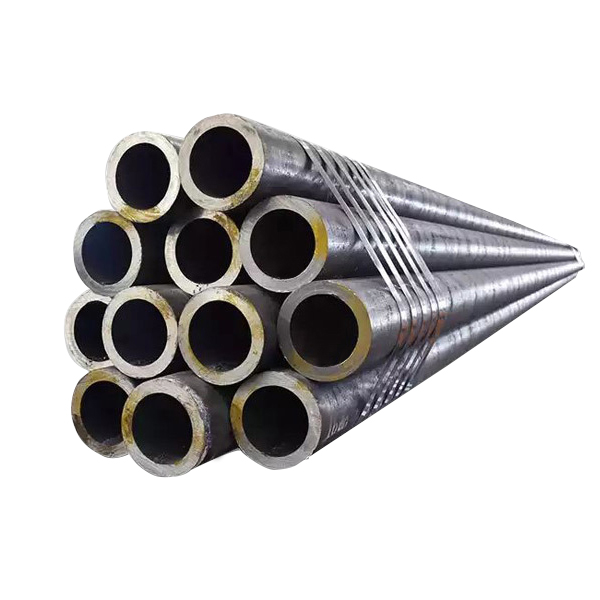
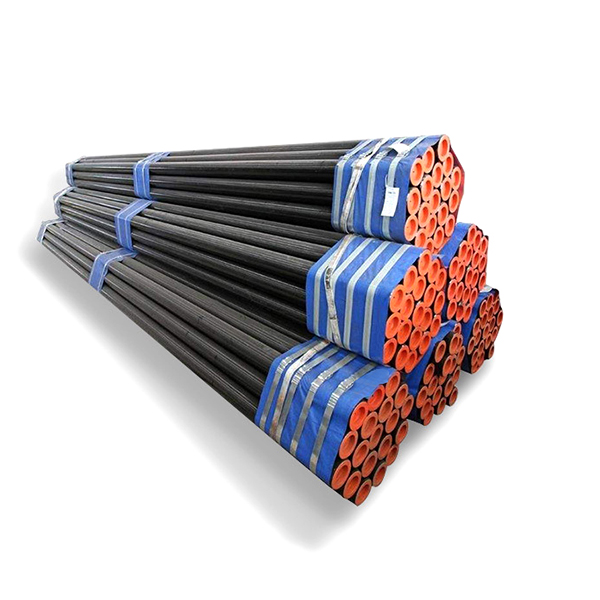
Stainless steel pipes are widely used in industry and daily life due to their corrosion resistance, high strength and aesthetic appearance. To maintain their long-term performance and surface luster, scientific and reasonable cleaning and maintenance are particularly important.
I. Common Stains on Stainless Steel Pipes
Understanding the nature of the stains is the prerequisite for choosing the correct cleaning method. Common stains include:
Scale: White or gray crystalline substances formed due to long-term contact with hard water.
Oil stains and grease: Residues of oil from mechanical processing or the environment.
Rust and oxidation spots: Although stainless steel is a corrosion-resistant material, it may sometimes show slight rust.
Dust and sand: Accumulation of external environmental dust.
II. Cleaning Steps for Stainless Steel Pipes
Scientific cleaning is the key to maintaining stainless steel pipes. The following operation process is recommended:
Preliminary cleaning: Use a soft cloth or sponge dampened with clean water to wipe, removing surface dust and loose impurities.
Dealing with stains: For oil stains, use a neutral detergent mixed with warm water to clean; when there is heavy scale, a small amount of diluted vinegar or citric acid can be used for treatment.
Removing light rust: Use a dedicated stainless steel cleaner or a fine polishing cloth to gently wipe, avoiding surface damage.
Rinse thoroughly: Thoroughly rinse with clean water to ensure no detergent residue.
Dry the surface: Use a clean soft cloth to dry the surface of the pipe to prevent water stains from remaining.
III. Daily Maintenance Tips for Stainless Steel Pipes
Proper daily care can significantly extend the lifespan of the pipes. The following are key points to focus on:
Regular Inspection: Conduct visual inspections of the pipes on a regular basis to promptly identify rust spots and damages.
Maintain a Dry Environment: Avoid keeping the pipes in a humid environment for an extended period to prevent surface scale and corrosion.
Avoid Contact with Corrosive Substances: Prevent direct contact of the pipes with strong corrosive liquids such as acids and alkalis.
Proper Storage and Use: Ensure the stability of the pipes during installation and avoid mechanical impacts and scratches.
IV. Notes on Maintenance of Stainless Steel Pipes
During daily maintenance, the following misconceptions should be avoided:
Do not use steel wool, hard cleaning agents, or corrosive chemicals as they may scratch the surface.
Do not use cleaners containing chlorides as they may accelerate local corrosion of the pipes.
Maintain the appropriate temperature during the cleaning process. Excessive heat or cold environments are detrimental to the cleaning effect.
In conclusion, the cleaning and maintenance of stainless steel pipes is a meticulous and systematic task. The key lies in choosing the appropriate cleaning methods and adhering to standard procedures. Only in this way can their excellent performance be maintained, the safety operation of facilities be guaranteed, and a solid foundation be provided for the development of related fields.
Copyright and Disclaimer: The above content is from the Internet. If there is any infringement, please contact us to remove it.
Content Statement: Some of the content is generated by AI assistance and is for reference only.