
Comprehensive Analysis of Cold-Pressed Steel Pipes
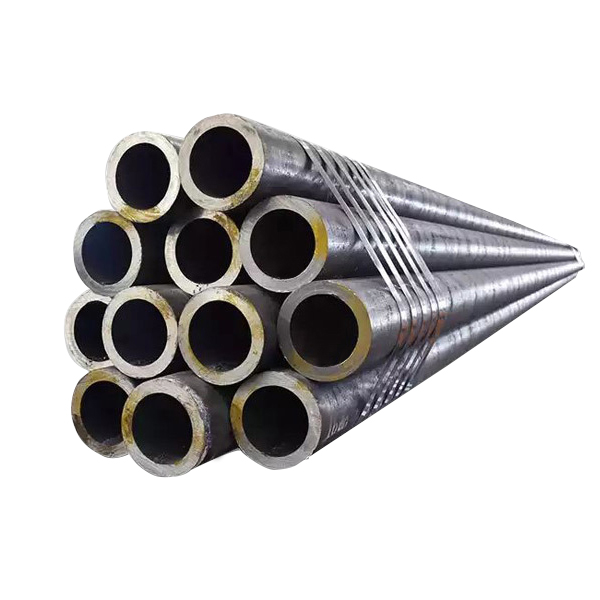
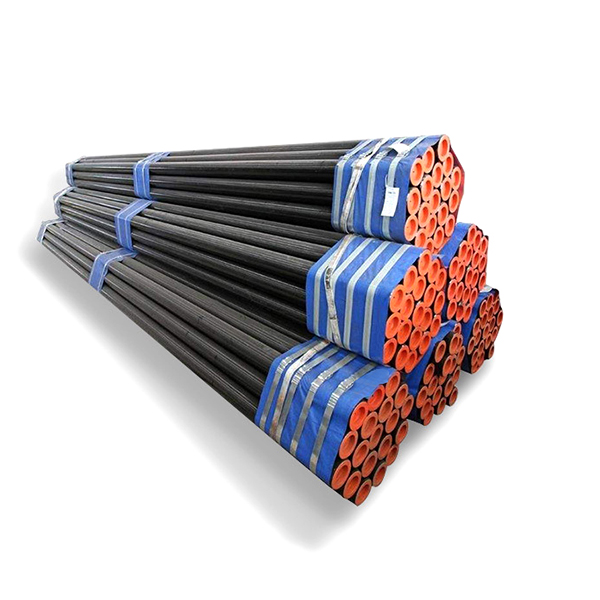
Cold-pressed steel pipes, as an indispensable and important material in modern industry, are widely used in various fields such as construction, mechanical manufacturing, and the automotive industry due to their excellent mechanical properties and durability. Understanding the types of cold-pressed steel pipes can help in making reasonable material choices, ensuring project quality, and optimizing cost input.
I. Definition and Characteristics of Cold-Pressed Steel Pipes
Cold-pressed steel pipes refer to steel pipes that are formed or processed at room temperature through cold working methods such as cold rolling, cold drawing, and cold pressing. Their main features include:
High dimensional accuracy and good surface finish;
Excellent mechanical properties, with high strength and good toughness;
Few internal defects and strong corrosion resistance;
Environmentally friendly forming process, free from pollution such as high-temperature pickling.
II. Main Types of Cold-Pressed Steel Pipes
According to manufacturing processes and application requirements, cold-pressed steel pipes can be further classified into several types. The common ones include:
1. Cold-Rolled Steel Pipes
These are formed by rolling steel strips at room temperature, featuring excellent dimensional control and are often used in the manufacturing of precision machinery and automotive parts.
2. Cold-Drawn Steel Pipes
They are produced by drawing steel pipe blanks through a die, resulting in uniform wall thickness and smooth inner and outer surfaces. They are widely used in hydraulic, refrigeration, and gas transmission systems.
3. Cold-Bent Steel Pipes
These are processed into various shapes through cold-bending techniques, suitable for construction structures and bridge projects that require special curved shapes.
4. Precision Cold-Pressed Steel Pipes
With extremely small dimensional errors, they are ideal for high-precision machinery and instrument manufacturing, ensuring the assembly accuracy of parts.
III. Considerations for Selecting Cold-Pressed Steel Pipes
In practical applications, when choosing the appropriate type of cold-pressed steel pipes, the following factors should be given priority consideration:
Usage environment: Whether corrosion resistance, rust prevention properties, etc. are required;
Mechanical properties: Strength, toughness, and fatigue resistance must meet the requirements;
Dimension accuracy: Select the precision grade based on assembly and process requirements;
Economy: Consider the material cost and processing cost comprehensively to achieve high quality and low price.
IV. The Widespread Application of Cold-Pressed Steel Pipes in Industry
Due to its diverse types and superior performance, cold-pressed steel pipes have outstanding performance in the following major fields:
Construction industry: As a framework structure and load-bearing component, it ensures the safety and reliability of the project;
Mechanical manufacturing: Widely used in the manufacturing of mechanical parts, enhancing the durability of equipment;
Automotive industry: Applied in the chassis, oil pipes, and cooling systems of automobiles, ensuring driving safety;
Energy sector: As a transportation pipeline, it meets the requirements of high pressure and high temperature environments.
Understanding the various types of cold-pressed steel pipes and accurately selecting the products that meet the requirements is an important guarantee for improving engineering quality and reducing production costs. Through technological innovation and strict management, cold-pressed steel pipes will continue to provide a solid foundation for all industries and strengthen the quality foundation.
Copyright and Disclaimer: The above content is from the internet. If there is any infringement, please contact us to remove it.
Content Statement: Some of the content is generated by AI assistance and is for reference only.