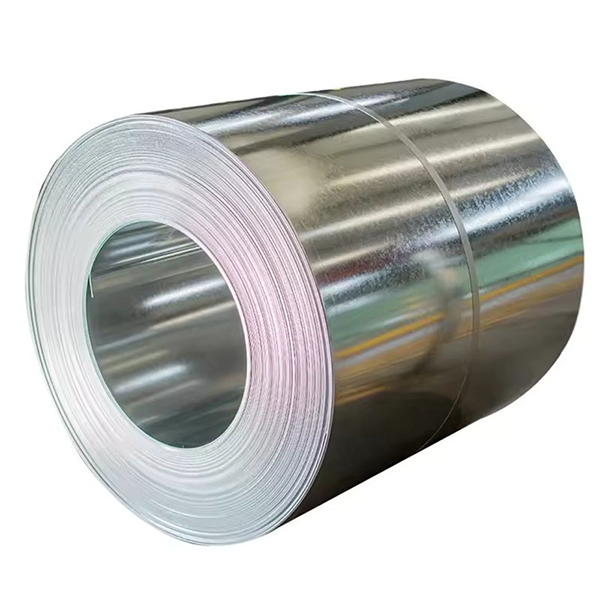
Scrap steel recycling enables resource regeneration
What is scrap steel?
Scrap steel is the only energy-saving, energy-carrying, green and recyclable resource that can replace iron ore in steelmaking in the steel industry.
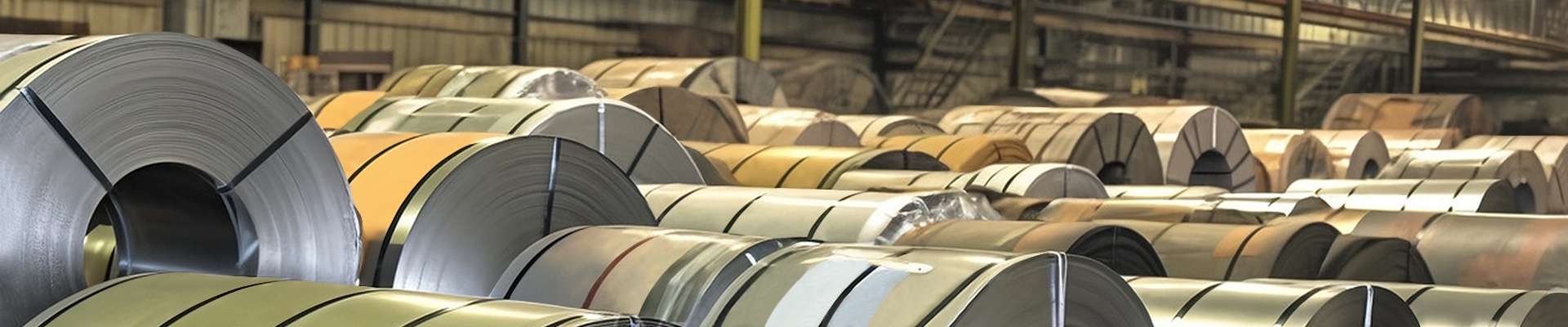
Scrap steel refers to the steel waste that does not become a product during the production process in steel mills (such as cut edges, cut heads, etc.) as well as the steel materials in scrapped equipment and components after use, and the discarded or damaged steel materials in the process of production and life that can be recycled. All of these are collectively referred to as "scrap steel". The recycling and utilization of scrap steel has high environmental, economic and social benefits.
01. Scrap steel is an energy-saving resource.
In terms of production processes, steelmaking can be divided into "long process" and "short process".
The long process generally refers to converter steelmaking, where the raw materials are mainly iron ore (pig iron), and scrap steel is used as a supplement.
The short process generally refers to electric furnace steelmaking, where scrap steel is the main raw material, and pig iron is used as a supplement.
For large-scale steel production enterprises, from iron ore to coke production, sintering, iron smelting, and steelmaking, the energy consumption and pollution emissions in the entire process mainly occur in the iron smelting and pre-iron processes, accounting for approximately 60% of the total energy consumption. Compared with iron ore, using scrap steel can save this portion of energy and significantly reduce the comprehensive energy consumption of steel production.
02. Scrap steel is a low-carbon resource.
Scrap steel can reduce the generation of wastewater, waste residue and waste gas in the iron-making processes such as iron smelting, coking, and sintering. 76% of the wastewater, 72% of the waste residue and 86% of the waste gas can be reduced. If the tailings residue produced during iron ore beneficiation process and the dust generated during coke-making and sintering processes are also included, the emission of waste residue can be reduced by 97%. Using scrap steel for steelmaking can significantly reduce the generation of "three wastes" and lower carbon emissions.
03. Scrap steel is a recyclable resource.
Steel - Formed - Used - Scraped, it undergoes a cycle of 8 to 30 years. It can be recycled and reused infinitely, with very low natural wear and tear. For every 1 ton of scrap steel used, 1.7 tons of refined ore powder can be saved, as well as 4.3 tons of raw ore extraction and 2.6 tons of steel tailings waste. Moreover, using more scrap steel and less iron ore is an important measure to alleviate this predicament when iron ore prices remain high. Increasing the supply capacity of scrap steel is an important way to reduce reliance on iron ore.
04. Scrap steel is an important raw material for steel production.
Scrap steel is different from other recycled resources such as scrap copper, scrap aluminum, scrap plastic, and scrap paper. Unlike them, its physical and chemical performance indicators do not deteriorate with the increase in recycling cycles, nor does its quality decline.
In a sense, steel production is a process of purifying molten steel. Compared to primary resource iron ore.
Scrap steel is a high-quality raw material for steel production and is currently the only high-quality raw material resource that can replace the iron ore resource which is gradually depleting.
Scrap steel is not only a recycled resource in China, but also an important component of the environmental protection industry and the circular economy. The recycling and utilization of scrap steel not only solves the shortage of steel resources in China, but is also an important way to develop China's circular economy. The utilization of scrap steel has attracted widespread attention from society and is also known as "the second mining industry".
Copyright and Disclaimer: The above content is from the internet. If there is any infringement, please contact us to remove it.
Content Statement: Some of the content is generated by AI assistance and is for reference only.