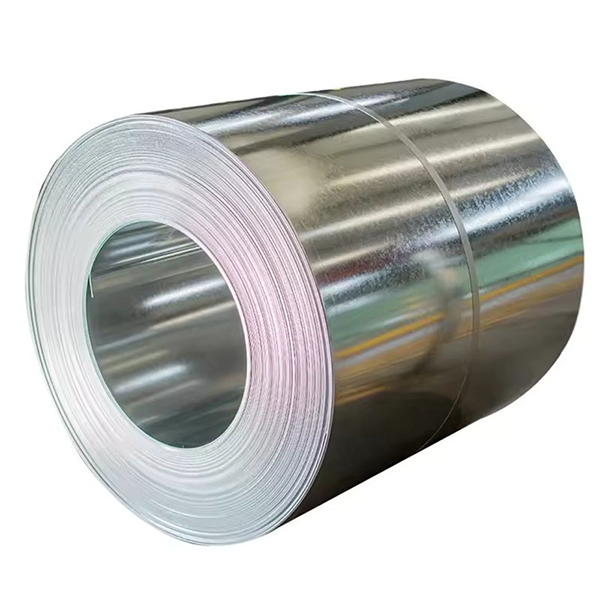
How to distinguish the quality of hot-dip galvanized steel pipes?
Hot-dip galvanized steel pipes, as important materials in construction, industry and infrastructure, are widely favored for their unique anti-corrosion performance and long service life. However, the quality of products on the market varies greatly. How to quickly and accurately distinguish the quality of hot-dip galvanized steel pipes has become a key to ensuring the quality and safety of projects.
I. Basic Characteristics and Application Value of Hot-Dip Galvanized Steel Pipes
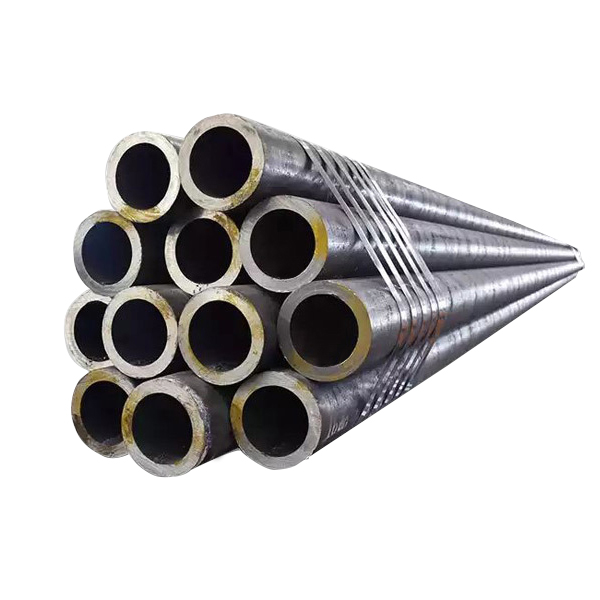
The hot-dip galvanizing process involves immersing steel pipes in molten zinc to form a dense zinc layer that protects the steel substrate. This process not only effectively prevents rusting of the steel pipes but also significantly enhances their corrosion resistance, greatly extending their service life. It is widely used in areas such as building frameworks, bridge supports, and water transmission pipelines, making it an excellent material choice that balances environmental protection and economic efficiency.
II. Five Identification Criteria for High-Quality Hot-Dip Galvanized Steel Pipes
1. Uniform and stable zinc layer thickness: The zinc layer thickness of high-quality products complies with national standards, typically not less than 60 micrometers, and the surface is smooth without peeling, bubbles or discontinuous phenomena.
2. Clean and free of impurities: Check if the surface of the steel pipe is smooth and clean, without sand spots, rust stains or black spots, indicating a fine galvanizing process and adequate treatment of the iron substrate.
3. Material of the steel pipe conforms to standards: High-quality pipes strictly follow national or industry standards, have stable mechanical properties and good weldability, ensuring structural safety.
4. Strong adhesion of zinc layer: The zinc layer is closely bonded to the steel substrate, and is not prone to peeling. A simple scratch test can be used to determine the firmness of the coating.
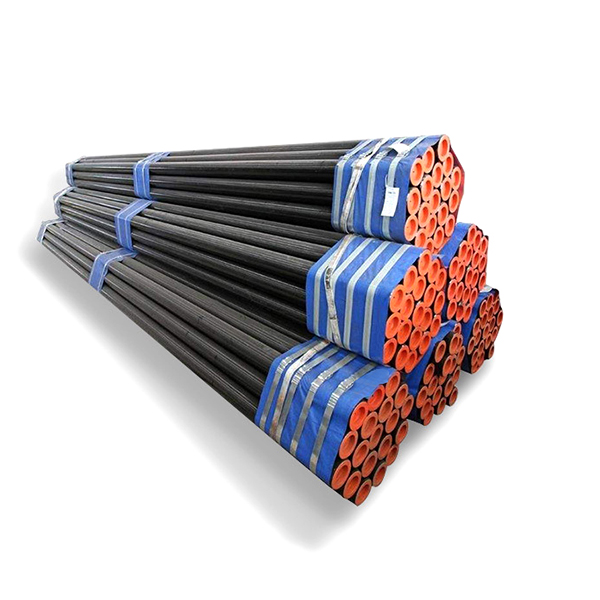
5. Standard packaging and labeling: Regular manufacturers have clear specifications, production batch numbers and inspection pass marks on the surface of the steel pipe and the packaging, facilitating traceability and quality control.
III. Common Manifestations and Hazards of Inferior Hot-Dip Galvanized Steel Pipes
Inferior products often exhibit weak zinc coating, uneven distribution, rough surface or peeling. This not only affects the appearance but also significantly reduces the anti-corrosion performance, causing the pipes to rust easily, shorten the service life and even pose engineering risks. Moreover, products made with multiple inferior base materials may contain impurities and fail to meet mechanical performance standards, thus posing safety risks.
IV. Practical Identification Techniques, Facilitating Quality Differentiation
To accurately assess the quality of hot-dip galvanized steel pipes, users can follow the steps below:
① Examine the surface smoothness and zinc layer uniformity visually;
② Use a hard object to lightly scratch the pipe surface and check if the zinc layer is firmly attached without peeling;
③ Measure the zinc layer thickness to ensure it meets the specified standard;
④ Pay attention to the various quality certifications and factory inspection reports of the product;
⑥ Choose reputable and well-proven manufacturers to avoid products from small workshops.
The quality of hot-dip galvanized steel pipes is related to engineering safety and economic benefits. Only by mastering scientific identification methods and understanding key indicators can one achieve "selecting the best from the best". Let's start from the details, strictly adhere to the quality red line, and contribute to building solid and safe modern infrastructure.
Copyright and Disclaimer: The above content is from the internet. If there is any infringement, please contact us to remove it.
Content Statement: Some of the content is generated by AI assistance and is for reference only.