
Introduction to Hot Strip Rolling Steel Products
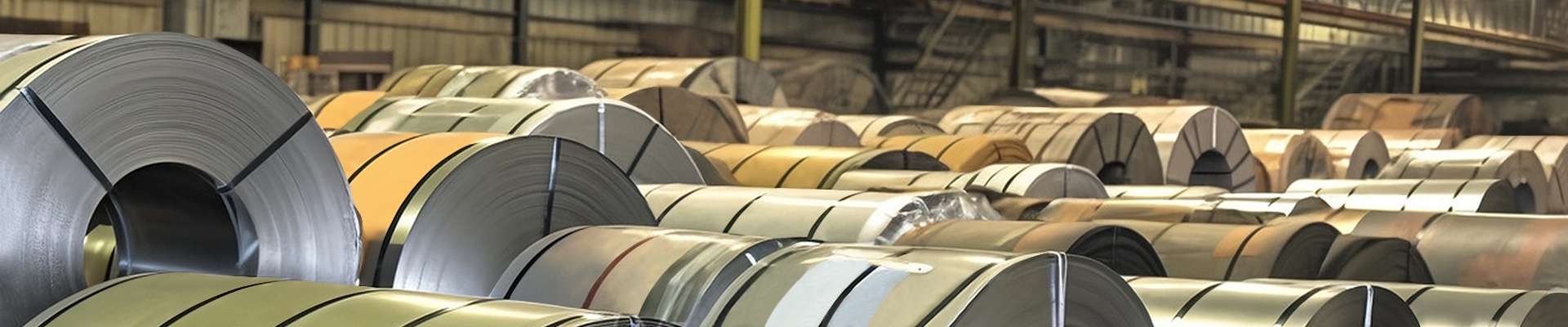
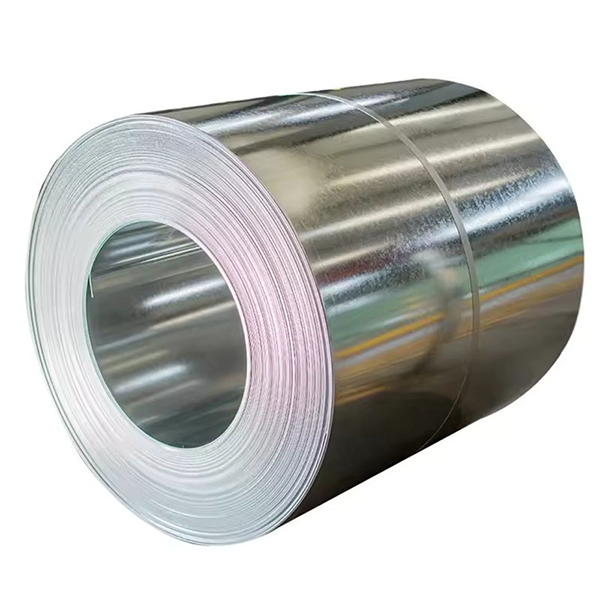
Hot rolled steel plates and strips are produced from slab (mainly continuous casting billets) as raw materials. After heating, they are rolled into steel strips by the rough rolling unit and the finishing rolling unit. The hot steel strips rolled out from the last rolling machine of the finishing rolling section are cooled by laminar flow to the set temperature. Then, they are wound into steel strip coils by the coiler. The cooled steel strip coils, according to different requirements of users, undergo various finishing processing lines (straightening, straightening, cross-cutting or longitudinal cutting, inspection, weighing, packaging and marking, etc.) to become steel plates, flat coils and longitudinal-cut steel strip products.
Due to the excellent properties of hot continuous rolling steel products, such as high strength, good toughness, ease of processing and forming, as well as good weldability, they are widely used in various manufacturing industries including ships, automobiles, bridges, construction, machinery, pressure vessels, etc. With the increasingly mature control technologies for hot rolling size accuracy, plate shape, surface quality, etc., and the continuous emergence of new products, hot continuous rolling steel plates and strips have been applied more and more widely and have gained stronger competitiveness in the market. Generally speaking, hot continuous rolling steel products have a wide variety of steel grades and specifications, and are widely used in various fields, from general engineering structures to automobiles, bridges, ships, boilers and pressure vessels. Different uses have different requirements for the material properties, surface quality, size and shape accuracy of steel plates. Therefore, it is necessary to understand the varieties, materials, characteristics and uses of hot continuous rolling steel products in order to achieve economic and rational utilization.
2. Key Considerations for Mechanical Properties
Mechanical Property Terminology
(1) Mechanical Properties: The mechanical properties of steel plates refer to the properties displayed by the steel plates when subjected to force, which are related to elastic or non-elastic responses or involve the stress-strain relationship. The main indicators representing the mechanical properties of hot-rolled steel plates include tensile strength, yield point, elongation, and impact absorption energy. Their magnitudes indicate the strength of the steel in resisting various forces and are the main criteria for evaluating the quality of steel plates, as well as the main basis for selecting materials and conducting strength calculations during the design of steel components.
(2) Mechanical Property Experiments: The main experiments for determining the mechanical properties of hot-rolled steel plates include tensile tests and impact tests, etc.
(3) Yield Strength: The stress at which the load does not increase or begins to decrease while the specimen continues to elongate (deform) during the tensile process. The lower the yield strength of the steel, the less force is required to cause permanent deformation, meaning it is easier to be formed and processed.
(4) Tensile Strength: The maximum stress that the specimen withstands before breaking during the tensile process. When the external stress on the material exceeds its tensile strength, it will rupture. Therefore, the greater the tensile strength of the steel plate material, the more it can withstand large external stress without breaking.
(5) Elongation: The percentage of the increase in the gauge length of the specimen after it breaks compared to the original gauge length. The higher the elongation ratio, the better the performance of the material before being subjected to permanent deformation (plasticity) before breaking; conversely, the plasticity is worse.
(6) Impact Energy (Impact Absorption Energy): The energy absorbed by a specimen with a specified shape and size when it breaks under the action of an impact force once. The magnitude of impact energy indicates the resistance of the metal material to impact loads. The higher the impact energy, the stronger the material's ability to resist sudden brittle failure.
Copyright and Disclaimer: The above content is from the internet. If there is any infringement, please contact us to remove it.
Content Statement: Some of the content is generated by AI assistance and is for reference only.