Selection and Application of Wear-resistant Steel Pipes
Steel pipes, as crucial supporting materials in modern industry and infrastructure, their wear resistance directly affects the stability and service life of equipment operation. In the face of complex and changeable working conditions, choosing the right type of wear-resistant steel pipes has become the key to ensuring production safety and efficiency.
I. Definition and Function of Wear-Resistant Steel Pipes
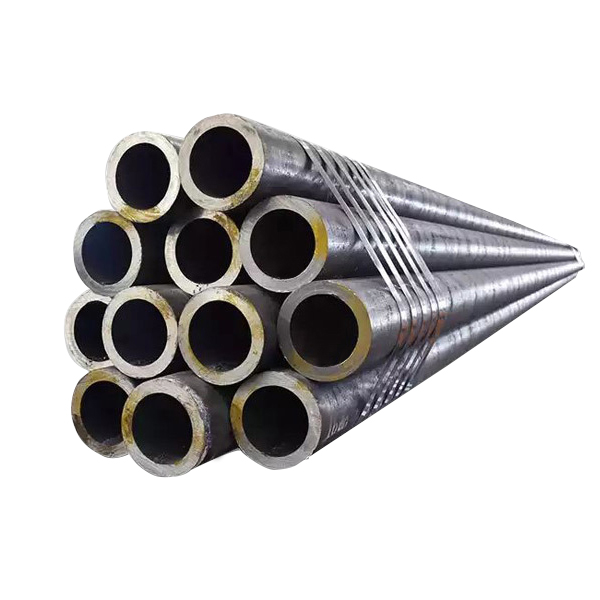
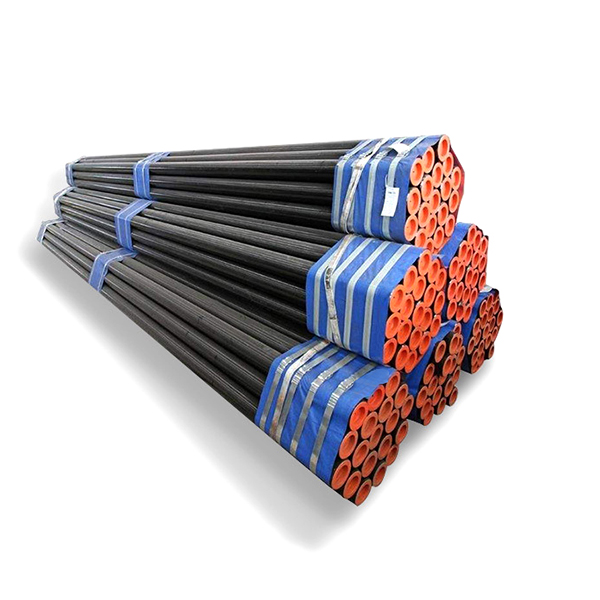
Wear-resistant steel pipes refer to steel pipe products that have undergone special processing or are made of special materials, which can effectively resist mechanical wear and extend service life. Their main applications lie in transporting media containing granular or corrosive substances, or in industrial equipment that is subject to high-speed friction and impact.
II. Common Wear-resistant Steel Pipe Models and Their Characteristics
There are various types of wear-resistant steel pipes, which are mainly classified based on materials, wall thickness, and processing methods. Common wear-resistant steel pipe models include:
20 Wear-resistant Steel Pipe: Carbon structural steel, treated through quenching and tempering, has excellent comprehensive mechanical properties and wear resistance, suitable for ordinary mechanical structure wear environments.
45 Wear-resistant Steel Pipe: Medium carbon steel, with high hardness, is suitable for heavy load and high impact wear environments.
Alloy Wear-resistant Steel Pipes (such as Cr, Ni alloy steel): Enhanced hardness and corrosion resistance through alloy elements, suitable for extreme wear or corrosive conditions.
High Manganese Steel Pipe: High manganese content gives the pipe material self-hardening properties, outstanding impact and wear resistance, widely used in mining and metallurgical industries.
Wear-resistant Composite Steel Pipe: The surface is coated with hard alloy spraying or composite welding technology to improve the wear-resistant layer performance, suitable for extreme wear environments.
III. Selection Principles for Wear-resistant Steel Pipes
To ensure the optimal performance of wear-resistant steel pipes, the following aspects should be given priority during the selection process:
Operating conditions: Consider the type of medium, flow rate, temperature, and impact conditions, and accurately assess the degree of wear.
Material properties: Select the appropriate material based on the wear form, such as high hardness, high toughness, or high corrosion resistance.
Pipe size and wall thickness: Reasonably determine the wall thickness to enhance the wear resistance while meeting the design pressure and installation requirements.
Processing techniques: Choose heat treatment, quenching, or spraying techniques to improve the wear resistance.
Economic evaluation: Balance cost and service life to achieve the best cost-performance ratio.
IV. Typical Applications of Wear-resistant Steel Pipes in Industry
Wear-resistant steel pipes are widely used in various fields such as mine transportation, coal industry, metallurgical equipment, and cement transportation pipelines:
Mine transportation system: Steel pipes are subjected to friction and impact from mineral particles. High manganese steel pipes and alloy wear-resistant pipes are particularly suitable.
Coal and cement transportation: Wear-resistant composite steel pipes reduce the wear rate through a hard surface layer, extending the pipeline lifespan.
Metallurgical industry equipment: Steel pipes not only need to be wear-resistant but also need to withstand high temperatures. Alloy steel pipes have obvious advantages.
Choosing the right type of wear-resistant steel pipe is the foundation for ensuring the efficient and safe operation of equipment. Understanding the performance characteristics and application scenarios of various wear-resistant steel pipes can help engineering technicians scientifically formulate material plans, reduce maintenance costs, and improve production efficiency. In the face of complex and variable industrial environments, precise material selection is particularly important. Every step must be rigorously controlled to achieve the efficient and long-lasting performance of wear-resistant pipe materials.
Copyright and Disclaimer: The above content is from the internet. If there is any infringement, please contact us to remove it.
Content Statement: Some of the content is generated by AI assistance and is for reference only.