
Selection of Hot-rolled Steel Plate Products
Relationship between Mechanical Properties, Formability and Service Properties
To obtain the desired shape of the steel plate, it must undergo permanent deformation. The process adopted can be local or overall bending, deep drawing, tensioning, or a combination of these forming methods.
(1) The yield strength of thin steel plates indicates the formability and strength after forming. For the forming of ordinary carbon steel plates, the yield point value is often too high, which may lead to excessive rebound, easy fracture during forming, rapid wear of the die, and defects due to poor plasticity. However, when the yield point of the material is less than 140 MPa, it may not withstand the stress applied during the forming process. For steel plates used in more complex or complex forming and stamping processes, it is usually required to have a relatively low yield strength value, and the smaller the yield ratio, the better the forming performance of the steel plate.
(2) The cold formability of medium-thick steel plates is directly related to the yield strength and elongation of the material. The lower the yield strength value, the smaller the stress required for permanent deformation; the higher the elongation value, the greater the ductility, which can allow for large deformation without breaking.
(3) For steel plates used in building structures, bridges, and mechanical structural components, to prevent component failure, it is required that the steel material have a characteristic tensile strength. To prevent component deformation, it is required that the steel material have a certain yield strength. Therefore, for steel materials used for these purposes, the minimum or range values of tensile strength and yield strength are specified.
(4) For steel plates used to withstand impact loads, such as those for ships, bridges, oil and gas pipelines, to prevent brittle fracture during use, it is required that they have a sufficiently high impact toughness - impact energy value.
Selection of steel plate types
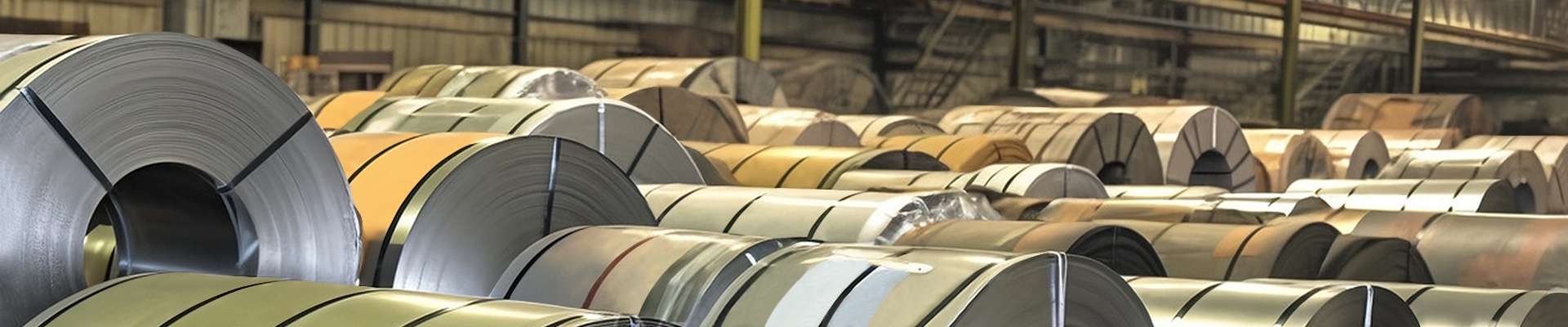
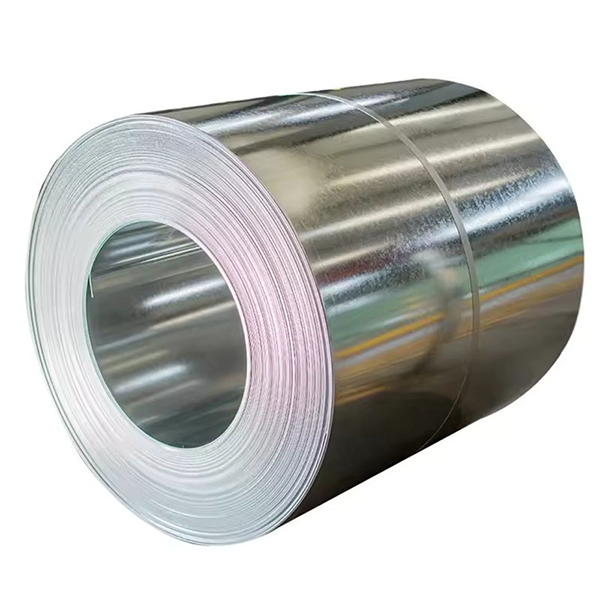
The products of hot-rolled steel plates include coils and steel plates cut from them. Steel coils can be further classified into straight coils and finished coils (split coils, flat coils and longitudinal cut coils).
Since straight coils have not undergone rewinding, the size variations at the head and tail of the steel strip have not been removed, and they have not been straightened or flattened, so straight coils have tongues and tails, and are prone to defects such as uneven thickness and width at the head and tail, edge waves, folded edges, tower shapes, and wrinkles after uncoiling (waist folds). Therefore, for applications where surface quality and plate shape requirements are relatively high, hot-rolled straight coils should not be selected, but rather finished coils that have been rewound and flattened by the finishing line should be used.
Copyright and Disclaimer: The above content is from the internet. If there is any infringement, please contact us to remove it.
Content Statement: Some of the content is generated by AI assistance and is for reference only.